
The Japanese moka pot aesthetic transcends mere practicality, embodying a unique blend of artistry and functionality. From its minimalist design principles to its rich cultural history, it offers a captivating window into Japanese design sensibilities. This exploration delves into the visual elements, historical influences, and practical applications of this distinctive aesthetic, highlighting its evolution and contemporary interpretations.
The aesthetic, deeply rooted in Japanese design philosophy, showcases a harmonious integration of form and function. Key characteristics include the use of specific color palettes, shapes, and textures, reflecting a dedication to balance and elegance.
Defining the Aesthetic
The Japanese moka pot aesthetic, a captivating blend of function and form, transcends simple brewing. It’s a meticulously crafted expression of Japanese design principles, emphasizing minimalism, natural materials, and a deep respect for the process of creating a daily ritual. This aesthetic goes beyond the appliance itself, encompassing the surrounding environment and the cultural significance imbued within its use.The Japanese moka pot aesthetic embodies a distinct visual language.
Clean lines, smooth surfaces, and muted color palettes are hallmarks of this design philosophy. This approach prioritizes the object’s inherent beauty over ostentatious embellishments. The aesthetic’s appeal lies in its understated elegance, a quiet harmony between the vessel and the user.
Visual Characteristics
The aesthetic is characterized by streamlined shapes and meticulous attention to detail. The silhouette of a well-designed Japanese moka pot often features a harmonious blend of curves and straight lines, a visual balance that speaks to the aesthetic’s commitment to simplicity and refinement. Materials like ceramic, cast iron, and stainless steel, each with unique tactile qualities, are frequently employed.
The pot’s surface, whether polished or textured, contributes to the overall visual appeal, underscoring the craftsman’s meticulous approach.
Color Palettes
Common color palettes associated with the Japanese moka pot aesthetic lean towards muted tones. Earthy hues like beige, cream, gray, and muted browns are frequently seen. These colors often evoke a sense of calm and tranquility, reflecting the Japanese appreciation for natural surroundings. Occasionally, subtle accents of deep charcoal or forest green add depth and visual interest, but these remain secondary to the overall subdued palette.
Historical and Cultural Context
The Japanese moka pot aesthetic is deeply rooted in Japanese design principles, particularly in the principles of 侘び寂び (wabi-sabi). This philosophy embraces the beauty of imperfection, transience, and the natural world. The aesthetic’s minimalist approach aligns with the cultural emphasis on simplicity and understated elegance. The inherent value placed on the craft and the careful consideration of the user experience are crucial elements that underscore the deep-seated cultural influence.
The moka pot is more than a tool; it’s a reflection of this cultural ethos.
Materials and Craftsmanship
The selection of materials and the execution of craftsmanship are paramount in achieving the desired aesthetic. High-quality ceramic, often hand-crafted, contributes to the pot’s durability and aesthetic appeal. The smooth finish and refined details of cast iron pots reflect the meticulous nature of the manufacturing process. Stainless steel, with its inherent strength and versatility, is also employed, offering a sleek alternative.
The craftsmanship employed in creating these pots underscores the meticulous attention to detail and the profound respect for the materials themselves. The visible traces of the artisan’s hand often add character and value to the final product.
Symbolic Meanings
The Japanese moka pot aesthetic carries symbolic weight, representing a blend of cultural values and practical use. The understated elegance associated with the design reflects a Japanese appreciation for simplicity and functionality. The materials used, often sourced from nature, represent a deep connection to the surrounding environment. The ritualistic nature of brewing coffee with a moka pot can be a meditative practice, reflecting a focus on the present moment.
The act of creating a cup of coffee using the pot becomes a personal ritual. It is a moment to appreciate the process itself, highlighting the meditative qualities inherent in the act.
Visual Elements
The Japanese moka pot aesthetic, characterized by a serene and minimalist approach, relies heavily on carefully curated visual elements to evoke a sense of tranquility and sophistication. This aesthetic transcends mere functionality, emphasizing the beauty of the brewing process itself. The aesthetic’s appeal lies in its ability to create a harmonious atmosphere, blending practicality with refined design sensibilities.
Color Palette
The color palette of the Japanese moka pot aesthetic often features muted tones, drawing inspiration from nature. Warm, earthy hues like light beige, subtle browns, and muted greens are prevalent. These colors create a calming and inviting atmosphere, contrasting sharply with the often bolder, brighter colors seen in other brewing aesthetics.
| Shade | Tone | Example | Description |
|---|---|---|---|
| Light Beige | Warm, Neutral | Creamy off-white | Evokes a sense of calmness and serenity. |
| Muted Brown | Earthy, Neutral | Dark mocha | Adds depth and warmth to the overall composition. |
| Soft Green | Cool, Natural | Sage | Connects the aesthetic to the natural world, promoting tranquility. |
| Grayish-Black | Neutral, Deep | Gunmetal | Provides a sophisticated contrast and highlights the form of the pot. |
Shape and Form
The shapes and forms of Japanese moka pots often exhibit a streamlined, elegant aesthetic. Porcelain or ceramic pots with subtle curves and clean lines are favored, creating a visual harmony that complements the minimalist approach. The emphasis is on functionality, but form is equally crucial. Pot shapes frequently mimic natural elements like flowing water or smooth stones, further enhancing the tranquility.
Comparative Aesthetics
The Japanese moka pot aesthetic differs significantly from other coffee brewing aesthetics.
| Aesthetic | Color Palette | Shape and Form | Overall Impression |
|---|---|---|---|
| Japanese | Muted, earthy tones | Streamlined, clean lines | Serene, minimalist, tranquil |
| Italian | Bold, rich colors (e.g., reds, oranges) | Robust, functional designs | Energetic, powerful, focused on speed |
| French | Often more varied, incorporating rich browns and darker hues | Elegant, sometimes ornate | Sophisticated, focused on presentation |
Lighting and Composition
Images related to the Japanese moka pot aesthetic often utilize soft, diffused lighting. This lighting style creates a gentle glow, highlighting the textures and forms of the pots without harsh shadows. The composition is typically centered around the moka pot, with a focus on simplicity and balance. Natural light is often favored, or artificial light mimicking natural light sources.
Textures and Patterns
The Japanese moka pot aesthetic generally avoids busy patterns. Instead, subtle textures like glazed porcelain, matte finishes, or brushed metal are often employed. The emphasis is on smooth, refined surfaces. Occasionally, subtle, minimalist patterns, such as subtle floral designs, are present, but these are generally reserved and understated.
Background Imagery
Background imagery frequently seen in this aesthetic includes natural elements such as muted greenery, minimalist floral arrangements, or flowing water features. These elements provide a backdrop that complements the serenity and tranquility associated with the aesthetic. Sometimes, a simple, neutral background like a muted gray or beige wall is used, allowing the moka pot to be the focal point.
Cultural Influences
The Japanese moka pot aesthetic, a fusion of practicality and artistry, is deeply rooted in the nation’s rich design traditions. It’s not simply a coffee brewing device; it’s an embodiment of Japanese design principles, reflecting centuries of cultural evolution and contemporary trends. This refined approach to everyday objects underscores a broader appreciation for functionality and visual harmony within Japanese society.The aesthetic is shaped by a philosophy that prioritizes simplicity and elegance.
This is reflected in the understated designs, the emphasis on quality materials, and the seamless integration of the moka pot into the surrounding environment. This integration highlights the importance of harmony between the object and its surroundings, a key element of Japanese design principles.
Influence of Japanese Design Principles
Japanese design principles, particularly minimalism and functionality, are deeply ingrained in the moka pot aesthetic. Minimalist designs emphasize clean lines and uncluttered forms, often prioritizing the essence of the object over superfluous ornamentation. The moka pot’s streamlined shape, typically featuring a smooth, unadorned exterior, embodies this principle. Functionality is equally important; the moka pot’s design is optimized for efficient coffee brewing, showcasing the Japanese appreciation for practicality.
Role of Japanese Ceramics and Pottery Traditions
The rich tradition of Japanese ceramics and pottery significantly impacts the moka pot aesthetic. The craftsmanship, attention to detail, and use of high-quality materials, such as durable stoneware or porcelain, often evident in traditional Japanese pottery, are reflected in the construction and finish of the moka pot. The subtle variations in glaze colors and surface textures, akin to those seen in Japanese tea bowls, contribute to the overall aesthetic appeal.
Significance of Natural Elements and Materials
Natural elements and materials are frequently incorporated into the moka pot aesthetic. The use of natural wood finishes, earthy tones in glazes, and the incorporation of organic forms in the design reflect a deep respect for nature. This reverence for natural elements is a defining aspect of Japanese aesthetics, frequently seen in traditional gardens and architecture.
Influence of Japanese Tea Ceremonies
The influence of Japanese tea ceremonies is apparent in the moka pot aesthetic’s focus on ritual and mindful consumption. The meticulous preparation of tea, akin to the brewing of coffee, is reflected in the meticulous design and use of the moka pot. The careful selection of materials, the emphasis on the brewing process, and the importance of the moment of consumption are all integral parts of the experience.
Impact of Contemporary Japanese Design Trends
Contemporary Japanese design trends, often characterized by a focus on sustainability and eco-conscious practices, have influenced the moka pot aesthetic. This includes the use of recycled or locally sourced materials, the integration of sustainable manufacturing processes, and the creation of designs that are both aesthetically pleasing and environmentally friendly.
Historical Evolution of the Moka Pot Aesthetic in Japan
The historical evolution of the moka pot aesthetic in Japan showcases a gradual adaptation of the imported Italian design to Japanese sensibilities. Initial iterations often mirrored the Italian designs, but subsequent iterations saw the integration of Japanese design principles, such as minimalism, functionality, and a reverence for natural materials. This adaptation resulted in a uniquely Japanese take on the moka pot, reflecting a blend of international influences and local traditions.
Practical Applications

The moka pot, a beloved Italian coffee maker, takes on a distinct character within the Japanese aesthetic, transcending its functional role to become a cherished piece of home decor. Its streamlined design and often muted color palettes align seamlessly with the Japanese appreciation for minimalism and functionality. Beyond the brewing process, the moka pot’s aesthetic influence extends throughout the entire kitchen, affecting the presentation of coffee and other culinary elements.The moka pot’s use in a Japanese setting is deeply intertwined with the concept ofshibui* – a subtle elegance and understated beauty.
Often, the pot is used for a small-scale gathering, a solo ritual, or a comforting morning routine. The slow, deliberate process of making coffee complements the mindful approach to daily life valued in Japanese culture. The steam rising from the pot evokes a sense of warmth and tranquility.
Typical Use in a Japanese Setting
The moka pot in a Japanese context often serves as a centerpiece for a quiet, intimate coffee experience. It’s used in the home, often during the morning or afternoon, as a part of a slow-paced routine. The brewing process, from the careful pouring of water to the satisfying hiss and stream of coffee, is an integral part of the ritual.
The process is frequently observed, appreciating the small moments of daily life.
Role in Japanese Home Decor
The moka pot’s aesthetic appeal aligns perfectly with Japanese interior design principles, especially in the context of minimalist and understated styles. Its simple form and often muted colors, such as matte black, charcoal grey, or natural tones, complement the natural light and neutral color palettes commonly found in Japanese homes. The focus is often on quality craftsmanship and subtle elegance, rather than flashy or ostentatious displays.
Presentation in Imagery
Images of moka pots in the Japanese aesthetic often showcase the pot against a backdrop of natural elements. Think bamboo, soft lighting, and a minimalist table setting. The focus is on the pot itself, highlighting its sleek lines and refined details. Occasionally, it might be featured alongside other simple kitchenware, such as a ceramic mug or a wooden cutting board, further emphasizing the aesthetic’s core principles of simplicity and understated elegance.
The lighting is often soft and diffused, creating a warm and inviting ambiance.
Translation to Other Kitchenware
The moka pot aesthetic translates seamlessly to other kitchenware. The emphasis on simple, clean lines and muted color palettes extends to other appliances, cookware, and utensils. The preference for natural materials like wood and ceramic continues, creating a cohesive and harmonious kitchen space. This extends beyond the aesthetic, impacting the overall experience of preparing and enjoying meals.
Presentation in Home Settings
| Setting | Moka Pot Placement | Background Elements | Overall Ambiance |
|---|---|---|---|
| Morning Ritual | Centered on a low table or countertop | Soft, diffused natural light; a simple arrangement of flowers or branches | Calm, peaceful, and contemplative |
| Afternoon Tea | Placed on a tatami mat or low table | Japanese garden or a view of nature | Relaxed, serene, and inviting |
| Solo Coffee Break | On a small side table or countertop | Books, a small vase of flowers, or a calming artwork | Quiet, focused, and mindful |
Presentation of Coffee
The moka pot’s aesthetic influences the presentation of the coffee itself. The coffee is often served in small, simple cups, often ceramic or porcelain, complementing the pot’s muted color palette. A simple, unadorned presentation, highlighting the coffee’s natural aroma and color, is preferred. The focus remains on the appreciation of the moment and the quality of the brew, rather than elaborate or over-the-top presentations.
Contemporary Interpretations
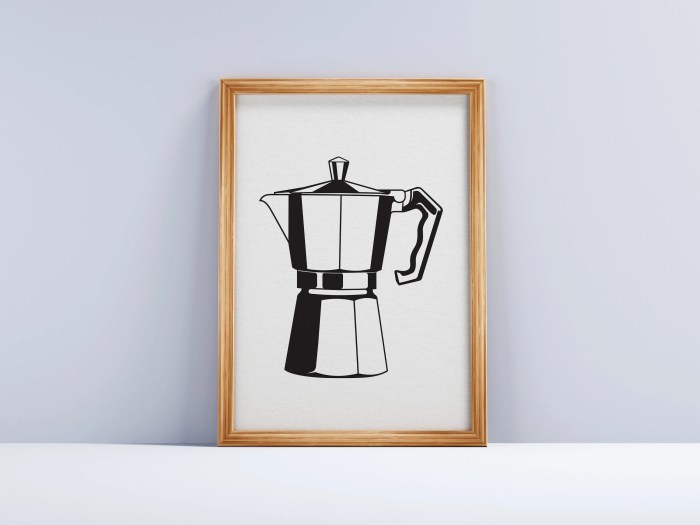
The Japanese moka pot, a symbol of both tradition and craftsmanship, is undergoing a fascinating evolution in the contemporary design world. Contemporary artists and designers are reinterpreting its aesthetic, incorporating modern materials and pushing the boundaries of its traditional forms while staying true to the core principles of the design. This reimagining reflects a desire to blend timeless beauty with innovative functionality.Contemporary interpretations of the moka pot are not merely about aesthetics; they’re about recontextualizing a historical object for modern needs.
The infusion of new materials and techniques injects fresh life into a classic design, making it relevant for a new generation of users. This adaptation reflects a wider trend in design, where historical forms are reinterpreted for a contemporary audience.
Modern Material Incorporations
The traditional moka pot, often crafted from cast iron or aluminum, is now being reimagined with modern materials like ceramic, stainless steel, and even 3D-printed polymers. These materials offer designers greater control over form and function, enabling them to create unique designs that blend the warmth of traditional craftsmanship with the precision of modern manufacturing. For example, designers are experimenting with translucent ceramics to showcase the coffee brewing process, or using sustainable materials like bamboo to create a more environmentally conscious product.
This incorporation is not simply about novelty; it also addresses practical concerns, like durability and ease of cleaning.
Innovative Uses in Modern Contexts
The moka pot, traditionally used for brewing espresso-style coffee, is finding innovative applications beyond the kitchen. Contemporary artists are exploring its use as a sculptural object, showcasing its unique form and aesthetic qualities. Similarly, the moka pot is appearing in product designs beyond the coffee-making sphere, such as unique lighting fixtures or decorative accents. Its iconic silhouette, imbued with historical significance, allows it to transcend its original purpose.
Moka Pot Aesthetic in Contemporary Art
The moka pot aesthetic is increasingly present in contemporary art. Sculptural installations, for example, may incorporate moka pots in unconventional ways, highlighting their symbolic value as well as their functional role. Modern artists are using the moka pot as a metaphor for the interplay between tradition and modernity, highlighting the evolving relationship between objects and their cultural contexts.
These interpretations explore the duality of the object, its traditional roots, and its potential for contemporary expression.
Evolution Beyond Traditional Forms
Contemporary designers are not simply adapting traditional Japanese forms. They are actively pushing boundaries, creating moka pots with asymmetrical shapes, or with intricate surface textures that complement the traditional form. This exploration demonstrates a willingness to embrace experimentation while retaining the essence of the original design. These variations on the theme demonstrate the adaptability of the moka pot design to new aesthetic sensibilities.
Cultural Adaptation
The moka pot’s aesthetic is finding resonance in diverse cultural contexts. In some regions, the pot is being adapted to local design sensibilities and materials. For instance, a designer might create a moka pot using local clay types, reflecting a blending of global and local aesthetics. This adaptation highlights the moka pot’s ability to transcend its Japanese origins and become a symbol of cultural exchange.
The resulting pieces often showcase the unique characteristics of both the traditional form and the host culture.
Moka Pot Aesthetics in Imagery
The moka pot, a quintessential Italian espresso maker, transcends its functional role, often becoming a symbol of cozy home life and artisanal coffee. Its visual appeal, captured in imagery, frequently evokes a sense of warmth, tradition, and the pursuit of quality. This visual language, rich in composition, color, and symbolism, contributes to the enduring appeal of the moka pot.Images portraying the moka pot aesthetic often employ deliberate compositional strategies, focusing on elements that create a specific mood and narrative.
This involves carefully arranging the pot within the frame, emphasizing its shape and texture, and using lighting and color to highlight its aesthetic qualities.
Composition of Images
Images frequently feature the moka pot as a central or focal point. Its placement within the frame often reflects its role as a centerpiece, highlighting its form and presence. The background, while not the primary focus, contributes to the overall ambiance. A well-composed image might include elements like rustic wooden surfaces, warm lighting, or subtly textured backgrounds, which complement the pot without overshadowing it.
Color Palettes
The color palettes in moka pot imagery typically lean towards warm tones. These often include variations of browns, creams, and deep reds. These colors evoke feelings of comfort, nostalgia, and the cozy atmosphere often associated with home-brewed coffee. Occasionally, contrasting accents, such as vibrant greens or yellows, might be strategically used to draw attention to specific details, but the overall effect remains warm and inviting.
Role of Lighting
Lighting plays a crucial role in creating the aesthetic. Soft, diffused light, often natural light from windows or lamps, contributes to a warm, inviting atmosphere. Images with harsh shadows or overly bright light tend to diminish the overall appeal. Natural lighting or well-placed lamps can highlight the texture of the pot and enhance the visual appeal.
Image Formats
| Format | Description | Typical Subject Matter | Examples |
|---|---|---|---|
| Product Photography | Focuses on the product’s physical attributes, often in studio settings. | Close-ups of the moka pot, showcasing its details and materials. | Images showcasing the intricate design of the pot, highlighting its unique shape and handle. |
| Lifestyle Photography | Integrates the moka pot into a scene that conveys a sense of daily life. | Moka pot placed on a table, surrounded by other elements of a cozy kitchen. | Images of a person enjoying coffee in a café or a home setting, emphasizing the convivial atmosphere. |
| Conceptual Photography | Images that use the moka pot as a symbol to convey ideas or emotions. | The moka pot used as a representation of tradition, warmth, or craftsmanship. | Images using the moka pot in abstract compositions to represent a specific mood. |
| Fine Art Photography | Focuses on artistic expression and visual narrative. | Moka pot in a composition that highlights its symbolic meaning. | Images showcasing the moka pot’s beauty and form in a stylized way. |
Negative Space
Negative space, the empty areas surrounding the moka pot, plays a significant role in the image composition. Well-utilized negative space can emphasize the pot’s shape and create a sense of balance and serenity. Overly cluttered backgrounds can detract from the pot’s visual appeal. Careful consideration of negative space allows the moka pot to stand out as the primary subject.
Symbols
“The moka pot is often associated with tradition, quality, and the ritual of home-brewed coffee.”
Images may subtly incorporate symbols associated with the Italian culture, such as rustic elements, or those representing coffee’s essence, such as steam rising from the pot, or the steam swirling around the pot, to convey a sense of warmth and tradition. These subtle symbols further contribute to the rich visual language surrounding the moka pot.
Interior Design Considerations
The Japanese moka pot aesthetic, rooted in minimalism and a deep appreciation for natural elements, translates seamlessly into interior design. This aesthetic prioritizes simplicity, functionality, and a connection to nature, creating serene and inviting spaces. The focus is on understated elegance, emphasizing the inherent beauty of the materials and forms rather than ostentatious displays.The Japanese moka pot aesthetic is characterized by a harmonious blend of color, texture, and form, aiming to create a sense of calm and tranquility.
Natural materials, such as wood, bamboo, and stone, are frequently used to bring the outdoors in. The color palette typically leans towards muted tones, including earthy browns, grays, and greens, complemented by pops of warm wood tones. The textures are carefully chosen to evoke a sense of warmth and tactility, with the use of natural fibers and smooth surfaces.
Shapes are often simple and organic, avoiding harsh angles and favoring curves and flowing lines.
Color Palette
The color palette is crucial in establishing the serene atmosphere. Muted tones such as soft grays, warm beiges, and deep greens dominate. These colors evoke a sense of tranquility and connect the space to nature. Accents of darker wood tones and subtle pops of black or charcoal add depth and visual interest without overwhelming the overall harmony.
The aim is to create a calming backdrop that complements the natural elements and simple forms.
Texture and Form
Natural textures are highly valued, emphasizing the tactile qualities of materials like wood, bamboo, and stone. Smooth surfaces, like polished wood or ceramic, contrast with the natural roughness of untreated wood or stone, creating a pleasing visual and tactile experience. Simple, organic forms are preferred over complex or angular designs. The shapes are often inspired by nature, creating a sense of fluidity and balance.
This approach emphasizes the beauty of the materials and the simplicity of the design, rather than intricate or decorative elements.
Lighting Design
Lighting plays a significant role in creating a calming atmosphere. Natural light is prioritized, maximizing the use of windows and skylights. Ambient lighting is often provided by warm-toned lamps, emphasizing the textures and forms within the space. Soft, diffused lighting minimizes harsh shadows, enhancing the sense of serenity and tranquility. The goal is to create a well-lit space that feels welcoming and comfortable, without overwhelming the natural beauty of the surroundings.
Furniture and Decor
| Category | Common Choices | Material Considerations | Aesthetic Qualities |
|---|---|---|---|
| Furniture | Low sofas, tatami mats, wooden chairs, minimalist coffee tables | Natural wood, bamboo, rattan | Simplicity, comfort, functionality |
| Decor | Dried plants, minimalist sculptures, ceramic vases, framed calligraphy | Natural materials, simple forms | Natural elements, understated elegance |
| Textiles | Woven rugs, linen cushions, silk throws | Natural fibers | Warmth, texture, comfort |
| Wall Decor | Japanese prints, minimalist artwork, natural stone features | High-quality materials | Subtlety, understated elegance |
This table highlights common furniture and decor choices for spaces that embody the Japanese moka pot aesthetic. The selection emphasizes natural materials, simple forms, and functional design. The furniture pieces are chosen for their comfort and suitability for relaxation and contemplation. Decorative elements are limited to items that enhance the tranquility and harmony of the space.
Examples of Rooms Designed with This Aesthetic
Numerous contemporary homes and design projects showcase the Japanese moka pot aesthetic. Spaces featuring minimalist wooden furniture, natural textiles, and serene color palettes are often seen. Homes with large windows that allow natural light to flood the interior are also frequently used in this aesthetic. The overall effect is one of calm and harmony, evoking a sense of peace and connection to nature.
Harmony and Balance
Harmony and balance are essential to the Japanese moka pot aesthetic in interior design.
The design aims to create a sense of equilibrium and interconnectedness between the elements of the space. A well-balanced room is one where every element contributes to the overall tranquility and serenity. This is achieved through careful consideration of color, texture, form, and lighting, ensuring that each aspect complements the others and creates a cohesive and harmonious environment.
Associated Items
The Japanese moka pot aesthetic transcends a simple brewing device; it embodies a holistic approach to homeware, reflecting a deep-seated appreciation for simplicity, craftsmanship, and natural materials. This aesthetic, often characterized by minimalist design and a focus on functionality, extends beyond the moka pot itself, encompassing a curated collection of complementary items. These items work in harmony to create a serene and inviting atmosphere, mirroring the Japanese philosophy of
侘び寂び (wabi-sabi)*, embracing imperfection and the beauty of natural elements.
Commonly Associated Items
The moka pot, as the central element, is often paired with items that reinforce its aesthetic values. These items contribute to a cohesive visual language that speaks to the appreciation of natural materials, simple forms, and subtle elegance. These items form a harmonious ecosystem that elevates the overall experience.
- Ceramics and Porcelain: Elegant ceramic mugs, bowls, and platters, often featuring understated designs or natural patterns, complement the moka pot’s refined aesthetic. The warmth and texture of these materials enhance the overall sensory experience. They are often made with high-quality, translucent porcelain or matte-glazed ceramics, highlighting the inherent beauty of the material itself.
- Wooden Utensils and Trays: Natural wood, in various shades and textures, is a prominent material in the associated items. Wooden utensils, serving trays, and cutting boards, frequently in light tones like maple or bamboo, bring a sense of grounded warmth and natural beauty to the setting. These materials often echo the natural elements present in Japanese gardens and aesthetics.
- Minimalist Storage Containers: Clear glass or simple, neutral-colored containers are often used for storing ingredients or other items, emphasizing the purity of form and function. These containers typically feature a clean design, free from elaborate embellishments, mirroring the understated nature of the moka pot.
Relationship Between Moka Pot and Other Items
The moka pot’s role within this aesthetic extends beyond just brewing coffee. It becomes a central focal point that dictates the overall design language of the surrounding items. The items harmonize with the moka pot through a shared emphasis on simplicity, functionality, and the natural beauty of materials. For example, a ceramic mug designed with subtle, textured glazes might complement a wooden serving tray, creating a cohesive visual narrative.
Materials and Styles
The choice of materials aligns with the inherent characteristics of the Japanese aesthetic. Natural materials, such as wood, bamboo, and ceramic, are preferred. Styles often feature a minimalist approach, focusing on clean lines, subtle patterns, and understated designs. This avoidance of overt ornamentation underscores the emphasis on functionality and the inherent beauty of the materials themselves.
Color Palettes
Color palettes often feature muted tones, reflecting the serenity and tranquility of Japanese aesthetics. Earthy tones like beige, light gray, cream, and muted greens and browns are common. These colors, often inspired by nature, provide a sense of calm and grounding. Accents of deep brown or black might be incorporated, introducing a touch of contrast and depth without overpowering the overall harmony.
Table: Enhancing the Overall Aesthetic
| Associated Item | Material | Style | Aesthetic Enhancement |
|---|---|---|---|
| Ceramic Mug | Porcelain | Minimalist, subtly textured | Adds a touch of elegance and warmth; complements the moka pot’s form |
| Wooden Serving Tray | Maple | Simple, rectangular | Provides a grounding element; contrasts with the smooth ceramic |
| Glass Storage Jar | Clear glass | Geometric | Emphasizes transparency and the purity of ingredients; complements the minimalist approach |
| Bamboo Utensils | Bamboo | Natural | Adds a touch of nature; enhances the organic feel of the setting |
Common Use and Placement in Imagery
Imagery often depicts the moka pot as a centerpiece, surrounded by its associated items. The moka pot is frequently placed on a wooden tray or countertop, with the accompanying items strategically arranged to create a visually appealing and functional composition. The imagery often emphasizes the simplicity and natural beauty of the items, reinforcing the overall aesthetic of calm and serenity.
This use of visual elements is common in home decor and lifestyle photography, particularly within Japanese-inspired settings.
Social Media Presence
The Japanese moka pot aesthetic is rapidly gaining traction on social media platforms, driven by visual appeal and a burgeoning community of enthusiasts. Its appeal transcends mere functionality, embracing a unique blend of traditional craftsmanship and modern sensibilities, creating a potent social media presence. This has led to a surge in content showcasing the aesthetic, from meticulously curated product shots to inspiring user-generated posts.
Prevalence on Social Media
The aesthetic’s popularity is evident across various platforms, including Instagram, Pinterest, and even TikTok. The aesthetic is not limited to one platform but permeates several. This wide reach signifies a strong community interest and desire for visual representation. Users are actively engaging with content related to the aesthetic, contributing to its continuous growth and evolution.
Typical Hashtags
A variety of hashtags are associated with the Japanese moka pot aesthetic, facilitating discovery and engagement. Common hashtags include #JapaneseMokaPot, #MokaPotAesthetic, #CoffeeAesthetic, #JapaneseDesign, #HomeDecor, #CoffeeLover, #JapaneseStyle, #Espresso, and platform-specific tags for increased visibility. These hashtags serve as s, allowing users to find related content effortlessly.
Successful Posts and Accounts
Numerous accounts showcase the aesthetic successfully, with a focus on high-quality imagery and a consistent visual identity. Accounts dedicated to Japanese home decor, coffee culture, and minimalist design frequently feature moka pots prominently, drawing attention and showcasing their aesthetic appeal. Authenticity and a clear visual narrative are key elements of success. One prominent example might be an account specializing in Japanese coffee rituals, seamlessly incorporating moka pots into their visually engaging posts, often with detailed captions and behind-the-scenes glimpses.
Another might focus on the aesthetic through the lens of minimalist home design.
Tone and Style
The tone of posts typically emphasizes warmth, sophistication, and a touch of tranquility. A calm, inviting aesthetic is often presented, highlighting the beauty of the moka pot’s craftsmanship. The style is frequently characterized by high-quality photography, showcasing the intricate details of the product, and incorporating elements of Japanese design principles, such as symmetry, natural light, and muted color palettes.
Visual Elements in Social Media Posts
| Category | Description | Examples | Purpose |
|---|---|---|---|
| Product Shots | Close-up views of the moka pot, highlighting its design, materials, and details. | High-resolution images of the pot’s exterior, handle, and filter. | To showcase the craftsmanship and visual appeal of the product. |
| Lifestyle Photography | Images of the moka pot in a home setting, often alongside other aesthetically pleasing items. | Moka pot on a wooden table, surrounded by Japanese-inspired tableware. | To convey the aesthetic’s integration into everyday life. |
| Compositional Elements | Emphasis on symmetry, natural light, and muted color palettes. | Pot placed centrally in a frame, with soft, diffused light illuminating its details. | To create a visually appealing and harmonious presentation. |
| Lighting and Backgrounds | Strategic use of lighting and backgrounds to enhance the product’s appearance. | Images featuring warm, natural light and neutral backgrounds. | To emphasize the product’s beauty and create a calming atmosphere. |
Influencer Contributions
Influencers and creators play a vital role in popularizing the aesthetic. Their authentic engagement with the product and its cultural significance fosters a sense of community. Influencers often showcase the moka pot within their existing aesthetic, such as minimalist, Japanese-inspired home décor, or coffee-centric lifestyles. This helps to establish a strong visual connection with the product and its cultural relevance.
By featuring the moka pot in their daily routines or showcasing its use in unique ways, influencers contribute significantly to its appeal and visibility on social media.
Future Trends
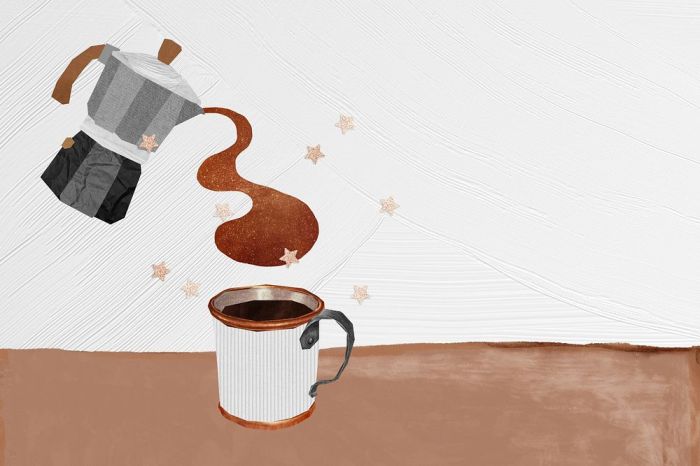
The Japanese moka pot aesthetic, a harmonious blend of tradition and modern sensibilities, is poised for continued evolution. Driven by shifting cultural preferences and technological advancements, the aesthetic is likely to adapt and diversify, potentially finding new expressions in different parts of the world. This dynamic interplay of cultural influences and innovative design will shape its future trajectory.
Potential Adaptations to Evolving Design Trends
The Japanese moka pot aesthetic, with its emphasis on minimalism and functionality, is highly adaptable. Future iterations might incorporate biophilic design elements, drawing inspiration from nature’s forms and textures. Sustainable materials, such as bamboo or recycled metals, could become more prominent, reflecting a growing global concern for environmental responsibility. Smart technology integration, such as automated brewing systems or integrated sensors for optimal brewing, could also become a defining characteristic, while maintaining the core aesthetic values of simplicity and elegance.
Cultural Contextual Evolution
The Japanese moka pot aesthetic, while rooted in Japanese traditions, is showing increasing global appeal. In Europe, for example, it could blend with Scandinavian design principles, emphasizing clean lines and a focus on craftsmanship. In the United States, it could potentially embrace more vibrant color palettes and playful forms, while maintaining a core emphasis on functionality. These variations will likely maintain the core values of the aesthetic while adapting to local cultural preferences.
Future Iterations of the Aesthetic
Several future iterations of the aesthetic are imaginable. One potential iteration is a modular design, allowing users to customize the pot’s appearance and functionality. Another iteration might involve incorporating innovative materials, like ceramic composites or bio-based plastics, to further reduce environmental impact while maintaining aesthetic appeal. The aesthetic could also evolve through collaborations with contemporary artists, introducing unique artistic interpretations into the design.
Influence of New Technologies
Technological advancements will undoubtedly shape the future of the Japanese moka pot aesthetic. Smart brewing systems, capable of adjusting brewing parameters based on user preferences or environmental conditions, are a potential development. Furthermore, the integration of IoT devices might enable remote control and monitoring of the brewing process, opening up new avenues for user experience and personalization. These advancements could seamlessly blend the traditional craftsmanship with cutting-edge technology, enriching the user experience.
Comparison of Current and Potential Future Trends
| Current Trend | Potential Future Trend | Cultural Context Example | Technological Influence |
|---|---|---|---|
| Emphasis on minimalism and functionality | Integration of smart technology and automated brewing | Scandinavian design influence in Europe | IoT device integration for remote brewing control |
| Use of traditional materials like ceramic | Use of sustainable and innovative materials (e.g., bamboo, bio-plastics) | Growing environmental consciousness globally | Bio-based plastic composites for pot construction |
| Focus on craftsmanship and detail | Modular design allowing customization | Collaboration with contemporary artists for unique designs | 3D printing for customized parts and accessories |
| Limited color palettes | Introduction of vibrant color palettes and playful forms | American market embracing bolder design aesthetics | Personalized LED lighting integration for aesthetic variations |
Alternative Interpretations
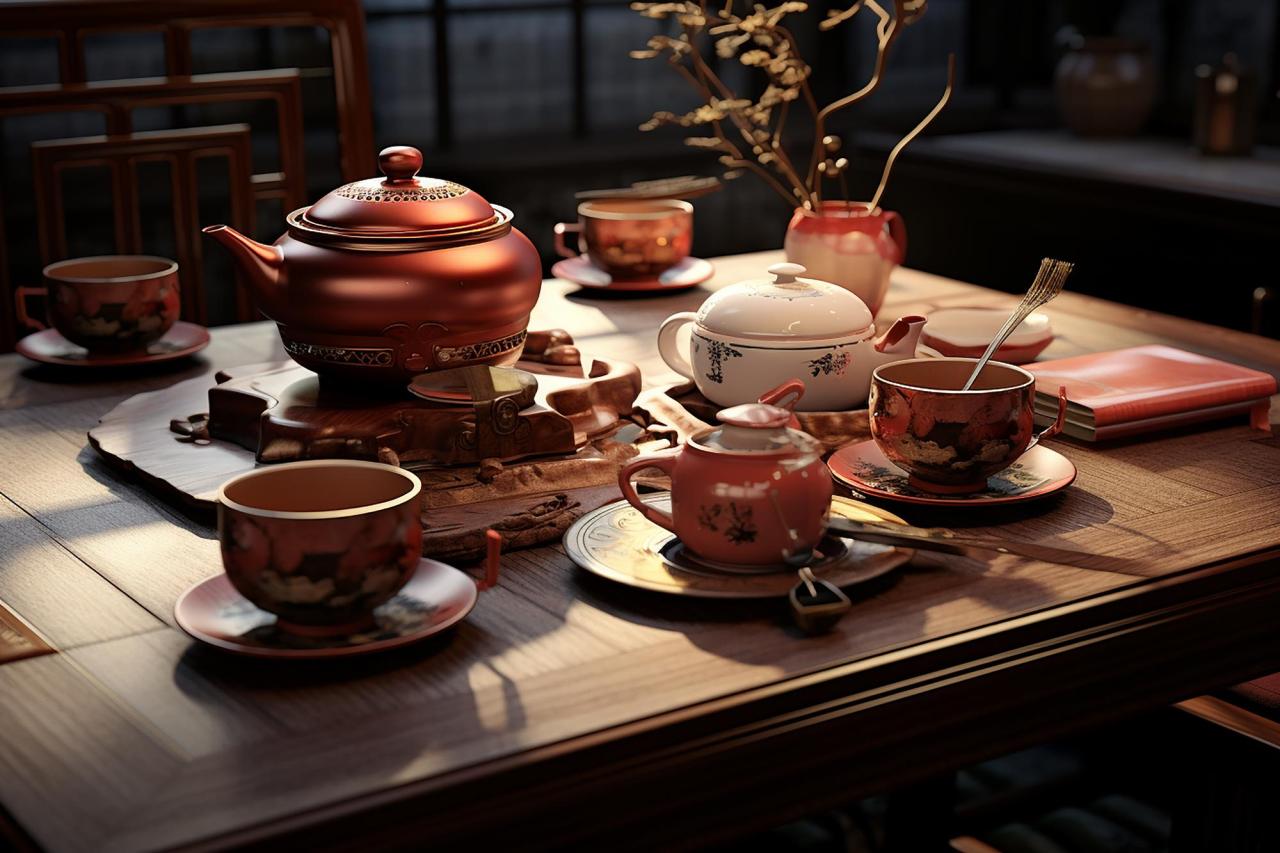
The Japanese moka pot aesthetic, with its emphasis on minimalist design and functional beauty, transcends cultural boundaries. Its appeal extends beyond Japan, prompting alternative interpretations and adaptations across global design landscapes. Understanding these variations allows for a more nuanced appreciation of this enduring style.The aesthetic’s core principles, while rooted in Japanese design sensibilities, can be reinterpreted and adapted for diverse cultural contexts and contemporary design trends.
This adaptability reveals the enduring strength of the aesthetic’s underlying values, such as simplicity, functionality, and the integration of nature-inspired motifs.
Non-Japanese Perspectives
A non-Japanese perspective on the Japanese moka pot aesthetic might focus on its universal appeal. The emphasis on clean lines and functional design resonates with global design trends prioritizing efficiency and aesthetic harmony. A key element is the integration of natural materials, a characteristic that can be readily appreciated in various cultural contexts, potentially inspiring reinterpretations of these materials in different design styles.
The understated elegance of the Japanese moka pot can be seen as a reflection of the universal human desire for beautiful and practical objects.
Potential Misinterpretations
Potential misinterpretations of the Japanese moka pot aesthetic might stem from a lack of understanding of its historical and cultural context. For example, the understated nature of the design could be misconstrued as bland or lacking personality. Furthermore, the emphasis on functionality might be seen as sacrificing aesthetics. However, the aesthetic’s strength lies in its harmonious balance between these elements.
Global Design Perspective
From a global design perspective, the Japanese moka pot aesthetic offers a valuable model for creating functional and beautiful objects. Its principles of minimalism, material selection, and craftsmanship resonate with contemporary design movements. The emphasis on sustainability, often integrated into the aesthetic through natural materials, aligns with growing global awareness of environmental issues. This provides an opportunity to adapt and translate the aesthetic for contemporary design while maintaining its core values.
Cultural Context Variations
The Japanese moka pot aesthetic, with its emphasis on simplicity and functionality, can be adapted or translated into various design styles. For example, incorporating elements of the aesthetic into Scandinavian design might produce a sleek and minimalist aesthetic with a focus on natural materials. Similarly, in South American design, the aesthetic could be adapted to incorporate vibrant colours and more ornate patterns while retaining the core values of functionality and material quality.
These adaptations reflect the flexibility of the aesthetic’s underlying principles.
Adaptation into Different Design Styles
The Japanese moka pot aesthetic can be adapted or translated into various design styles, from modern minimalism to rustic charm. A key factor in these adaptations is the careful selection of materials and the adherence to the aesthetic’s underlying principles. For instance, using reclaimed wood or repurposed materials in the construction of a moka pot design can imbue it with a rustic charm.
Likewise, integrating the aesthetic into contemporary designs might involve using high-tech materials or incorporating geometric patterns. The core values of functionality and beauty are adaptable to a variety of contexts.
Conclusion
In conclusion, the Japanese moka pot aesthetic represents a powerful fusion of tradition and modernity. Its enduring appeal lies in its ability to evoke a sense of calm and sophistication. The aesthetic, evident in everything from the meticulous craftsmanship of the moka pot itself to its presentation and surrounding imagery, speaks volumes about the Japanese cultural appreciation for beauty and balance.
Further exploration into its contemporary interpretations promises to reveal exciting future developments.
